Peptide High Quality: Significance Of Third-party Recognition
Exactly How Hplc Is Made Use Of To Examine Peptide Purity If a peptide is re-tested after storage space stress and anxiety, HPLC can disclose whether new contamination peaks have actually shown up or whether the main height location has decreased. This links directly with handling subjects such as peptide storage space and peptide reconstitution. Independent, third-party screening plays an essential duty in making certain neutrality and accuracy. By utilizing outside labs for confirmation, providers get rid of bias and maintain scientific credibility. It's an extra action that provides scientists self-confidence that each peptide meets consistent, proven criteria. Peptide purity is commonly shared as a portion, such as 95% or 98%. This number stands for just how much of the example is made up of the preferred peptide sequence. For most research laboratory applications, a pureness of 95% or higher is taken into consideration research-grade. Previous posts in this series have highlighted how peptide synthesis has enabled the growth of a wide range of powerful vaccines and therapeutic agents. Clearly, there is a great deal more than 5mg of "things" in that vial. While identification, quantity, and sterility are simple and vital, pureness is not something that is being totally & properly assessed today and is offering a false complacency to users in this room. Verify the safety and effectiveness of your reconstitution solution.
- Partial peptide pieces can result from insufficient synthesis or post-synthesis deterioration.
- These are basic research study context monitorings, not product requirements.
- Our Qualified Peptide Synthesis Laboratory is especially designed and operated to permit the personalized synthesis of peptides according to specified treatments and under suggested lab conditions.
- These alterations transform the peptide's biological task and chromatographic account.
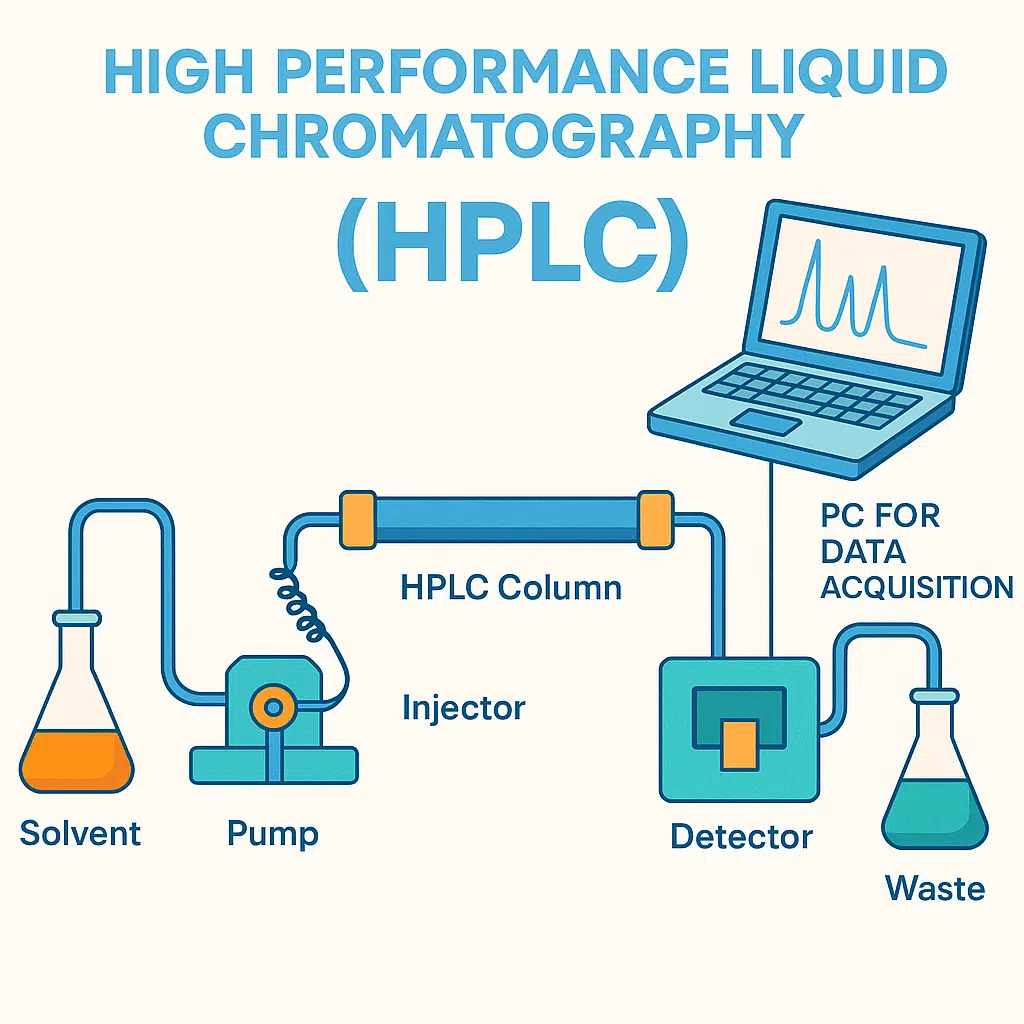
- The procedure functions by passing the peptide option through a column loaded with specialized product.
Exactly How Does Lab Recognition Shield Versus Peptide Fraudulence?
The purity of peptides is typically examined utilizing high-performance liquid chromatography (HPLC). HPLC divides peptides based upon their interactions with a stationary phase, permitting pollutants and byproducts to be determined and quantified. Furthermore, mass spectrometry (MS) can be made use of to verify the peptide's molecular weight and series, offering further verification of purity by detecting contaminants and destruction products. This extensive guide covers everything you need to learn about peptide screening labs. Whether you're confirming a new vendor or fixing unexpected outcomes, this resource offers you the understanding to make informed decisions concerning peptide high quality. For many viewers of a peptide newbies' overview, "research-grade" is the realm you operate in.What Various Other Examinations Might Include
These pieces are generally smaller than the target peptide and may elute at different retention times. HPLC can reveal the existence of additional peaks; LC-MS can help appoint likely identifications to those relevant species. Amino acid evaluation or other measurable methods can support outright web content. Chiral techniques can attend to enantiomeric pureness where stereochemistry is an issue. Residual-solvent or water-content examinations can matter in production or stability contexts. These are beneficial in the ideal setting, however they should be interpreted as method-specific evidence rather than an universal substitute for HPLC and MS.Where can I send my peptides to examine for pureness?
ACS Peptide Examining Labs is an expert peptide evaluation research laboratory that approves examples from all 50 states. Whether you need to examine peptide purity, verify a provider''s Certificate of Evaluation, or run extensive contaminant testing, our laboratory gives fast, accurate results with comprehensive reporting.
What Hplc Can Not Prove Alone
This is because HPLC only catches peptide relevant web content, and therefore the 1% residual is composed only of peptide-related impurities. Some laboratories (e.g., Janoshik) supply mathematical purity records without chromatogram images. An absence of chromatogram does not invalidate the outcomes, rather it is a function of how they offer outcomes to clients. However, as a best technique we suggest asking a brand-new tester for the chromatogram file to ensure it matches what they have given in the test result. Trustworthy suppliers make use of independent, third-party labs to produce COAs. Third-party testing gets rid of problem of rate of interest and offers the scientist objective, empirical data-- not advertising and marketing cases. Connecting you with relied on peptide distributors and makers, guaranteeing high-grade, trusted products for r & d needs. Discover our curated choice for pureness, consistency, and regulative conformity. COAs for Palmetto Peptides items are available on private product web pages. This is very seldom the situation, nonetheless well a protocol is optimized, and the threat of side reactions and insufficient responses indicates that peptide purity becomes an essential problem in the context of the application. One more related term you could run into is web peptide web content, which is different from purity. Internet peptide material describes how much real peptide (by weight) is in the vial about non-peptide parts like water, counter-ions (e.g., TFA), or buffer salts. It's feasible to have a peptide that is, state, 95% pure by HPLC and yet the net peptide material is something like 70% of the powder's weight (the rest being water and salts). Do Peptides and SARMs available at Direct SARMs not be upset-- this is typical and is normally established by different analyses (like amino acid evaluation). 